The Commercial Property Expansion Blueprint Budgeting, Construction, and Digital Launch

Growing a company into a new or larger physical property requires far more than cash reserves; it demands an actionable blueprint grounded in financial discipline. When leadership teams decide to purchase, construct, or renovate a commercial property, financial planning forms the baseline for every choice that follows. Setting an accurate budget starts with a full audit of cash flow, existing assets, and projected revenue streams. Beyond purchase prices or lease agreements, hidden costs like permit fees, property taxes, structural inspections, and utility hookup charges frequently surprise unprepared executive teams.
Working with experienced financial and operational advisors helps clarify these fiscal hurdles long before blueprints are finalized. Engaging specialized business expansion consulting professionals allows management to analyze multi-year revenue projections, secure favorable commercial lending terms, and structure capital deployment without straining ongoing operations. These strategic advisors help align project timelines with cash flow reality.
A resilient budget accounts for soft costs alongside hard construction expenses. Soft costs include architectural design, legal reviews, environmental assessments, and municipal zoning applications. Hard costs cover raw materials, heavy machinery, specialized trades, and interior fit-outs. Establishing a dedicated contingency fund equal to fifteen or twenty percent of total costs shields the business from material cost spikes, labor shortages, or mid-project engineering modifications.
Clear accounting frameworks must be established to track every dollar spent during the buildout phase. Standardizing vendor invoice reviews and holding weekly budget audits keep financial expectations aligned with reality. This rigorous oversight ensures that physical expansion serves as an accelerator for long-term profit rather than an unsustainable drain on liquidity.
Site Selection Mechanics and Contractor Partnerships
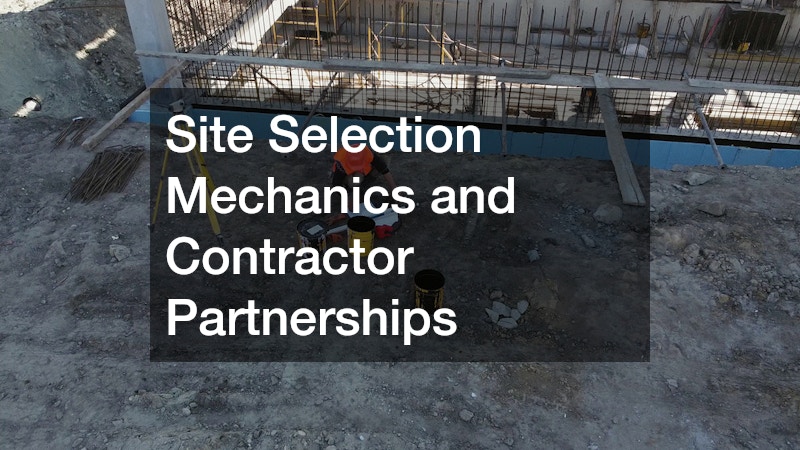
Choosing the physical location for a commercial footprint impacts everything from foot traffic and supply logistics to regulatory compliance and future resale value. A site that looks ideal on paper might hide underlying zoning restrictions, poor soil stability, or inadequate utility connections that dramatically elevate development costs. Conducting environmental reviews, soil testing, and traffic pattern analyses helps evaluate whether a parcel truly meets operational demands.
Once a site is secured, transitioning from preliminary floor plans to physical construction requires finding reliable builders who understand regional regulations. Partnering with reputable local building contractors ensures that municipal codes, safety mandates, and permit processes are followed from day one. These regional construction professionals bring established relationships with municipal inspectors, which helps prevent unnecessary approval delays. They also maintain network ties with regional material suppliers, giving projects better access to essential resources during industry supply bottlenecks.
Evaluating potential builders requires checking historical portfolios, verifying licenses, reviewing insurance coverage, and speaking directly with former commercial clients. Transparent communication between owners, architects, and general builders establishes realistic completion benchmarks. Weekly site walkthroughs and structured progress reports keep construction on schedule while holding labor hours accountable. Selecting a site with room for expansion, ample parking, and convenient access for delivery trucks guarantees that the physical facility will support organizational goals for years without requiring another relocation.
Contractual agreements should explicitly define project milestones, safety obligations, and financial remedies for unexcused delays. Clear oversight prevents small misunderstandings from becoming major disputes that hold up occupancy permits. A well-constructed facility built on time sets the stage for interior utility work and structural exterior improvements.
Envelope Integrity and Exterior Structural Upgrades
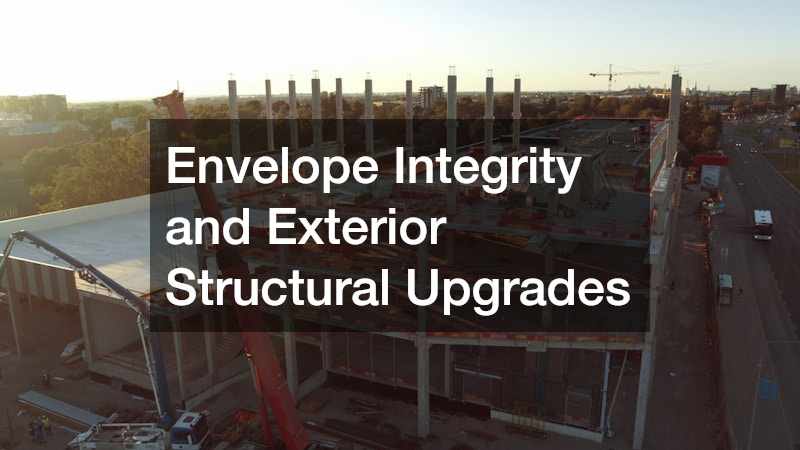
A commercial property’s exterior structural elements protect capital investments from environmental weathering and physical deterioration. The building envelope, which includes the roof, exterior walls, windows, and foundation, serves as the first line of defense against wind, heavy rain, temperature extremes, and structural wear. Neglecting exterior integrity during expansion can lead to water intrusion, mold cultivation, and major structural repairs that disrupt business operations later on.
The roof system requires specialized attention during renovations or new construction. Hiring an experienced local commercial roofing contractor ensures that industrial-grade roofing materials are installed according to regional weather demands and building safety protocols. Whether choosing single-ply TPO membranes, durable standing seam metal, or modified bitumen systems, expert roof installers ensure proper slope, drainage channels, and thermal insulation values. Proper roof installation protects costly interior equipment and reduces long-term heating and cooling costs.
Regular roof inspections during the buildout phase prevent structural vulnerabilities around HVAC curbs, skylights, and drain scuppers. Exterior wall integrity also demands attention, using high-grade sealants, durable cladding, and moisture barriers that prevent water seepage. Investing in premium building exterior materials minimizes ongoing maintenance demands and extends the overall lifespan of the physical facility. A dry, structurally sound building core creates a secure environment for high-value machinery, office technology, and staff operations.
Additionally, long-term warranty coverage on roof membranes and exterior coatings should be carefully negotiated before installation begins. Quality warranties cover material defects and labor performance for up to twenty or thirty years, providing fiscal predictability while keeping monthly energy expenditures low.
Architectural Entrance Features and Curb Appeal
Building exteriors shape the initial impressions that prospective clients, investors, and walk-in customers form about a commercial business. First impressions matter greatly in physical retail, professional offices, and hospitality locations, where visual presentation communicates quality and professionalism. Upgrading the exterior entrance creates an inviting atmosphere while improving functional protection for visiting customers.
Adding a custom commercial awning over front entryways, outdoor walkways, or loading bays offers weather protection while reinforcing corporate visual identity. These outdoor architectural elements shield visitors from rain and harsh sunlight while giving the building facade depth, character, and visual prominence from the street. High-durability fabrics, sturdy aluminum framing, and integrated exterior lighting turn basic building entrances into memorable landmarks. Beyond aesthetic appeal, functional entry points require accessible walkways, clear emergency exits, and ADA-compliant ramps.
Proper drainage around customer entrances prevents water pooling during heavy rainfall, keeping walkways safe and slip-free. Outdoor seating areas, well-lit parking lots, and professional landscaping further elevate the customer experience before visitors step inside. Investing in entrance upgrades demonstrates attention to detail and care for guest comfort. When exterior architecture blends visual charm with functional protection, businesses attract foot traffic more naturally and stand out among neighboring commercial properties.
Architectural details should also align with the company’s broader branding guidelines. Material choices, frame colors, and fabric finishes ought to match internal styling cues so the building exterior feels like an organic extension of the brand identity inside. By combining street visibility with practical shelter, physical entrance improvements transform standard commercial real estate into a welcoming destination.
High-Voltage Electrical Systems and Renewable Energy
Modern commercial real estate relies on robust electrical systems and smart energy management to power heavy machinery, lighting networks, and internal data hardware. Underestimating electrical power requirements during expansion can cause circuit overloads, equipment failures, and operational downtime. Designing an adaptable electrical framework requires calculating peak power loads and planning for future electrical growth.
Working with a qualified commercial electrician ensures that main distribution panels, dedicated heavy-duty circuits, emergency generators, and safety disconnects are wired safely and in accordance with national electrical codes. Professional electrical installations support heavy machinery, computer servers, specialized manufacturing tools, and modern climate control units without risking power fluctuations.
Simultaneously, forward-thinking business owners are incorporating clean energy solutions into building plans to lower long-term utility costs and improve corporate sustainability ratings. Partnering with certified commercial solar companies allows businesses to convert unused roof space into clean, cost-effective electricity generation centers. On-site solar installations offset peak utility rates, provide federal tax credits, and protect companies against rising municipal energy tariffs. Integrating solar arrays alongside modern electrical breaker panels creates a resilient power infrastructure capable of maintaining operational continuity during localized grid outages.
Smart energy management systems track real-time power consumption, automatically dimming lights in unused areas and optimizing HVAC performance. Prioritizing modern electrical and solar design safeguards operational capacity while lowering overhead expenses for years to come. Standardizing electrical component layouts across offices, manufacturing floors, and breakrooms simplifies maintenance routines and speeds up future repairs. When structural power networks are safely grounded and efficiently organized, facilities run smoothly without power interruptions.
Network Infrastructure and Digital Hardware Architecture
Physical building expansions require parallel digital infrastructure investments to support communication, administrative software, data storage, and network security. High-speed fiber connectivity, structured data cabling, centralized server rooms, and secure wireless networks form the central backbone of modern business operations. Neglecting digital network planning during the early structural buildout phase often results in messy wall-chasing, exposed Ethernet cables, and expensive retrofitting down the road.
Engaging a specialized IT service provider early in the architectural planning phase ensures that server rooms receive adequate cooling, dedicated power circuits, and structured cable raceways above ceiling grids. Professional network technicians install standardized Cat6 or fiber optic cabling, set up firewall protection, configure local area networks, and deploy cloud backup hardware tailored to organizational workflow demands. Secure access control systems, IP security cameras, and VoIP telephone networks also integrate into this centralized network layout.
Proper digital setup enables employees to access databases, communicate across departments, and serve clients without software latency or connectivity drops. Robust network security protocols protect proprietary company data and customer financial records from cyber threats. Selecting scalable network switches and expandable server racks ensures that internal digital infrastructure can accommodate future technological advances without complete hardware overhauls.
Additionally, establishing redundant internet connections through secondary service providers protects the organization from catastrophic internet outages. Off-site cloud replication routines guarantee that data backups are restored instantly if primary hardware suffers physical damage. When physical construction plans seamlessly incorporate modern network routing, companies experience minimal operational downtime during moves and rapid scaling phases.
Exterior Branding, On-Site Signage, and Print Promotions

Once structural work and internal network installations are complete, attention turns to physical branding and community outreach. Clear visual marketing announces the presence of a business to passersby, directional traffic, and surrounding commercial partners. Building brand recognition within a physical neighborhood requires strategic sign placement and professional printing production.
Installing custom exterior signs on building facades, monument structures near roadways, and directional posts ensures maximum visibility from surrounding traffic lanes. Illuminated channel letters, dimensional logos, and durable pylon displays capture customer attention during day and night hours while communicating professional authority. Exterior signage must comply with local municipal sign codes and property lease rules, requiring proper permits and structural mounting anchors before installation.
Complementing permanent exterior signage with high-impact promotional materials creates buzz leading up to the grand opening date. Utilizing professional banner printing allows businesses to display large temporary announcements, grand opening dates, special promotions, and directional indicators across building fences, parking lots, or front entrance frames. Weather-resistant vinyl banners withstand harsh wind and rain, maintaining bright colors and crisp messaging throughout long marketing campaigns.
Well-designed physical print assets direct vehicle traffic, welcome new visitors, and project a polished commercial image. Investing in bold visual branding transforms a recently finished construction site into an inviting commercial destination ready to welcome clients. Clear interior directional markers, safety exit labels, and room signs further improve navigation for visitors and new staff members. Cohesive typography, brand colors, and high-resolution graphic design across all printed materials reinforce company identity across every physical touchpoint, building immediate credibility within the local business ecosystem.
Search Engine Optimization and Digital Opening Campaigns
Physical facility expansions must be paired with digital marketing campaigns to ensure customers can locate and engage with the new facility online. A magnificent new building yields limited revenue if regional target audiences are unaware of the updated location, operating hours, or expanded service offerings. Updating online business listings, managing digital maps, and launching geo-targeted online advertising strategies drive localized web traffic and physical store visits.
Partnering with professional seo services ensures that the company website ranks highly on search engine results pages when local customers search for relevant products or services. Specialized search engine optimization teams update Google Business profiles, build localized citations, optimize landing page metadata, and publish localized content that captures high-intent web traffic. Managing online reviews, embedded maps, and local keywords helps nearby consumers navigate seamlessly to the new building address.
Digital marketing efforts should highlight grand opening events, exclusive location discounts, and upgraded customer facilities through engaging blog articles, social media posts, and targeted email updates. Synchronizing digital search campaigns with physical grand opening timelines maximizes brand exposure across both physical and digital sales channels.
Analyzing digital traffic metrics allows marketing teams to see which geographic neighborhoods generate the highest online engagement. Data-driven web optimization helps fine-tune digital marketing budgets, directing promotion toward zip codes that show strong client demand. Search engine rankings require continuous maintenance, content updates, and link-building efforts to hold top positions against regional competitors. When physical real estate expansion is coupled with robust digital search visibility, businesses build a sustainable pipeline of incoming leads and loyal returning customers.