Turning Underused Business Space into a New Revenue Stream
If you own a building with a spare room, an empty basement, or a half-used warehouse floor, that space is quietly costing you money every month. Property taxes, utilities, and maintenance don’t pause just because a room sits idle. The good news is that with a bit of planning, that same square footage can start paying you back instead of draining your budget. This article walks through practical, realistic ways to convert unused business space into a working revenue stream, along with the logistics you’ll need to handle along the way.
Evaluate the Condition of Your Existing Space
 Before you can rent, lease, or repurpose any part of your building, you need an honest assessment of its current state. Walk through the space with a checklist covering flooring, ceiling height, electrical capacity, plumbing access, HVAC coverage, and entry points. Note the details that matter to prospective tenants or new uses, like whether ceiling height clears 8 feet for retail buildout or if there’s a separate entrance that allows access without disrupting your main operations. Many owners are surprised to learn that a space they wrote off as unusable just needs cosmetic updates, like paint, flooring, or lighting, rather than structural work. Others discover the opposite: a space that looks fine on the surface but lacks the electrical capacity for commercial equipment or the ventilation required for certain business types. A quick call to a contractor or inspector for a walkthrough can clarify which category your space falls into before you invest time marketing it. It also helps to think about the space in terms of realistic use cases. A back room with limited plumbing might work for storage or office rental but not for a food-related tenant. A ground-floor area with street access could support retail, while a windowless interior space may be better suited to storage or a workshop. This is also the point where you decide whether to handle updates yourself or bring in outside help. Minor cosmetic work is often manageable on your own budget and timeline, but anything involving electrical, structural, or code compliance issues typically warrants a licensed professional. Getting a rough cost estimate now will make it much easier to judge whether a given opportunity is worth pursuing later.
Before you sink money into converting or leasing out unused space, get an honest assessment of what you’re actually working with. Hiring commercial contractors for this initial evaluation can save you from costly surprises later. A qualified contractor can spot code violations, outdated wiring, or drainage issues that would otherwise derail a leasing deal or renovation plan. Ask for a written inspection report that covers structural integrity, HVAC capacity, fire suppression systems, and ADA accessibility. These items are often the difference between a quick approval and months of delays with your local permitting office. If your space was built before the 1990s, pay special attention to insulation, asbestos, and electrical load capacity, since older buildings frequently need upgrades to meet current commercial standards. It’s also worth asking your contractor to estimate costs in tiers: what’s required for basic occupancy, what’s needed for a specific tenant type, and what would be a nice-to-have upgrade that increases rental value. This breakdown helps you decide whether to lease as-is, invest in modest improvements, or pursue a full buildout. Getting a professional opinion upfront gives you a realistic budget and timeline before you market the space to anyone. Skipping this step often means finding out about a costly problem mid-negotiation, when it’s too late to renegotiate terms or walk away cleanly.
- Check ceiling height and column placement for usability — most retail and studio uses need at least 9-10 feet clear, while storage or light industrial can work with less
- Inspect flooring for cracks, moisture, or unevenness, and test for slope issues that could affect equipment or foot traffic
- Confirm electrical panel capacity matches intended use, especially if adding kitchen equipment, servers, or heavy machinery
- Verify plumbing access and drainage if the new use involves food service, salons, or restrooms
- Review accessibility compliance, including entrances, restrooms, and doorway widths per ADA guidelines
- Note any lingering odors, mold signs, or ventilation concerns that could signal deeper structural issues
- Assess natural light and window placement, which can shape which tenants or activities the space best supports
Clear Out Debris Before Any Renovation Begins

Unused space often becomes a dumping ground for old furniture, broken equipment, and leftover inventory over the years. Before any contractor can start work, that clutter has to go, and trying to haul it out piece by piece wastes time and labor hours. Renting one of the roll off dumpsters available through most waste management companies makes this phase far more efficient. You simply fill it at your own pace and schedule a pickup once the space is cleared.
Sizing the dumpster correctly matters more than people expect. A container that’s too small means paying for multiple hauls, while one that’s too large sits mostly empty and wastes money. Most rental companies will walk you through sizing based on square footage and the type of debris you’re clearing out.
Address Plumbing Issues Hiding Behind the Walls
Spaces that have sat idle for months or years often develop plumbing problems nobody notices until water starts backing up. Old pipes can corrode, tree roots can invade underground lines, and grease buildup from a former kitchen tenant can clog drains completely. Before you invest in flooring or paint, it’s worth having the plumbing inspected and cleared. This prevents a renovation from being undone by a flood a few weeks later.
Reaching out to commercial drain cleaning companies early in the process is one of the smartest moves a property owner can make. These specialists use cameras and hydro-jetting equipment to identify blockages that a basic plumber might miss. Catching a slow drain problem now is far cheaper than dealing with a burst pipe after you’ve already signed a tenant.
Get the Climate Control System Ready for New Use
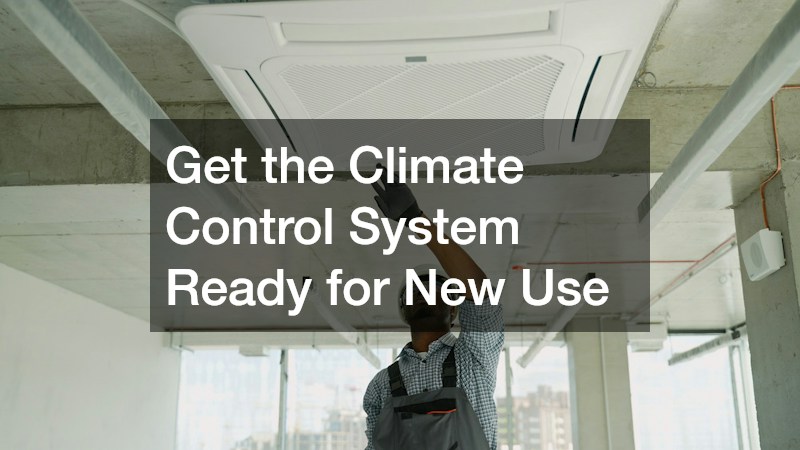
An empty room might have been fine with the HVAC system running on minimal settings, but a space meant for employees, customers, or tenants needs reliable heating and cooling. Old units that were never serviced regularly tend to fail exactly when demand increases. It’s worth having the entire system inspected before you commit to any new use of the space. Small issues caught early are far less disruptive than a full system failure during a heat wave.
Bringing in a heating and air conditioning company for a full inspection gives you a clear picture of what you’re working with. They can tell you whether the existing ductwork will support a new floor plan or whether you need additional units for proper airflow. If the system is older, ask for an estimate on remaining lifespan so you can budget for replacement rather than being caught off guard.
Keep Cooling Systems Running Through Peak Season

Once your revamped space is occupied, whether by tenants, customers, or your own staff, a broken air conditioner becomes an urgent problem rather than a minor inconvenience. Downtime during summer months can drive people away and damage your reputation if the space is public-facing. Setting up a maintenance schedule ahead of time helps you avoid emergency situations entirely. A simple filter change and coil cleaning twice a year catches most problems before they become expensive.
When something does go wrong, having a reliable provider for commercial AC repair on call means less downtime and fewer frustrated occupants. Ask about response times before you sign a maintenance contract, since a 48-hour wait during a heatwave can undo weeks of goodwill with new tenants. A provider familiar with commercial-grade units will also work faster than a residential-focused technician unfamiliar with larger systems.
Make the Space Accessible for Every Visitor
If your revenue plan involves welcoming clients, tenants, or the public into a converted space, accessibility isn’t optional. Multi-level buildings without an elevator can lose potential tenants or customers who simply can’t use the stairs. This is especially relevant if you’re targeting medical offices, senior services, or any business serving an older population. Addressing this early avoids costly retrofits after the space is already leased.
In buildings where a full elevator isn’t practical, having a stairlift installed is often a cost-effective alternative that meets accessibility needs without major structural changes. These systems can be added to existing staircases with minimal disruption to the building’s layout. It’s a detail that can make your space stand out to tenants who have struggled to find accessible options elsewhere.
Market the Space as a Flexible Rental Option
Once the space is clean, code-compliant, and functional, it’s time to think about who actually wants to rent it. Small businesses, freelancers, and remote teams are increasingly looking for flexible arrangements rather than long-term leases. Positioning your space as a modern office space rental option can attract this growing segment of renters. Highlight things like natural light, parking availability, and proximity to public transit in your listing.
Consider offering multiple lease structures rather than a single rigid option. Some renters want a private office for a year, while others just need a desk a few days a week. Flexibility in your offering often fills a space faster than holding out for one long-term tenant.
- Offer month-to-month options alongside annual leases
- Include utilities and internet in some pricing tiers
- Provide shared amenities like conference rooms or kitchens
- Advertise on coworking and commercial listing platforms
- Highlight security features and accessibility in listings
Protect Sensitive Records Before Changing Hands
If the underused space previously housed offices, chances are there are old files, client records, or financial documents left behind in cabinets or storage closets. Simply tossing these in the trash creates a real liability, especially if they contain personal or financial information. Before any renovation crew or new tenant sets foot in the space, sort through what’s there and determine what needs to be destroyed properly. This step is easy to overlook but carries real legal risk if skipped.
Hiring a service for secure document shredding ensures that sensitive paperwork is destroyed in a way that meets privacy regulations. Many providers will bring a mobile shredding truck directly to your property, so you can watch the process rather than trusting boxes to leave the premises unsecured. Getting a certificate of destruction afterward also gives you documentation in case questions arise later.
Plan the Physical Move With Minimal Downtime
Whether you’re relocating your own operations to make room for a tenant or shifting equipment between floors, the physical logistics of a move can stall your entire revenue plan if handled poorly. Trying to coordinate a move with existing staff pulled away from their regular duties often takes longer and risks damaging equipment. Planning the move in phases, rather than all at once, keeps some part of your business functional throughout the transition.
Working with commercial movers who specialize in office and warehouse relocations reduces the risk of damaged furniture, lost equipment, or missed deadlines. These teams typically have experience disassembling and reassembling large furniture, moving sensitive electronics, and navigating tight loading docks. Getting a few quotes ahead of time also helps you budget the move as part of your overall renovation costs rather than an unexpected expense.
Secure the Property to Protect Your Investment
Once you’ve invested time and money turning unused space into something profitable, protecting that investment becomes a priority. This is especially true for properties with outdoor storage, parking areas, or loading docks that see traffic outside of business hours. Basic locks and lighting help, but larger commercial properties often need something more robust. Insurance providers sometimes offer reduced premiums for properties with documented security upgrades.
Installing a reliable gate service at entry points controls who comes and goes, particularly for properties with multiple tenants or after-hours deliveries. Options range from simple keypad entry to automated systems tied into a broader security network. Choosing the right level of security depends on foot traffic, the value of what’s stored on-site, and whether the space will be used around the clock.
Turning underused space into steady income takes more upfront planning than simply hanging a “for rent” sign, but the payoff is worth the effort. Start with an honest assessment of the space’s condition, address the unglamorous logistics like plumbing, climate control, and security, and then focus on making the space genuinely appealing to whoever will use it next. Taking these steps in order, rather than skipping ahead to marketing, sets you up for a tenant or use case that actually sticks around. The space is already costing you money sitting idle, so the sooner you start the process, the sooner it starts working for you instead.