What Moving Companies Should Check Before Sending Trucks Out


Running a successful moving business requires far more than simply loading boxes onto a truck and driving to a new destination. When considering what moving companies should check before sending trucks out, managers and dispatchers must look at a wide array of operational requirements. From confirming details with clients to ensuring the mechanical integrity of the vehicles, every step plays a vital role in preventing costly delays and ensuring customer satisfaction. The following comprehensive guide breaks down the essential pre-departure checklist for moving professionals. We will explore how proper communication sets the tone for the entire job, why mapping routes saves time and fuel, and how rigorous fleet maintenance prevents unexpected breakdowns. Furthermore, we will delve into the nuances of preparing crews for cross-town relocations and massive interstate hauls, alongside handling logistical challenges like emergency vehicle recovery and complex warehousing. By rigorously following these fundamental steps, moving companies streamline daily operations, protect valuable assets, and deliver an exceptional, stress-free experience for every single customer they serve.
Call The Homeowners
Communication is the bedrock of any successful service-oriented industry, and residential relocation is no exception. Before dispatching vehicles, operations must establish direct contact with clients trusting them with personal belongings. This initial touchpoint sets a positive tone, reassuring clients that their move is handled by attentive professionals. A simple call allows dispatchers to confirm the exact address, review arrival windows, and identify inventory changes. Building this rapport early proves to the customer that they hired the best moving company for homeowners who value personalized care.
On a granular level, this pre-departure phone call is the absolute perfect time to address specific logistical challenges not fully detailed in the initial booking. Dispatchers should ask the client about complex parking situations, narrow driveways, or low-hanging tree branches preventing safe commercial truck access. Furthermore, the call confirms if elevators in high-rise buildings are properly reserved or if ongoing construction blocks the neighborhood streets. Verifying these essential details ensures the crew arrives fully prepared with the right equipment, completely avoiding frustrating delays and keeping the daily schedule highly efficient.
Review All Services
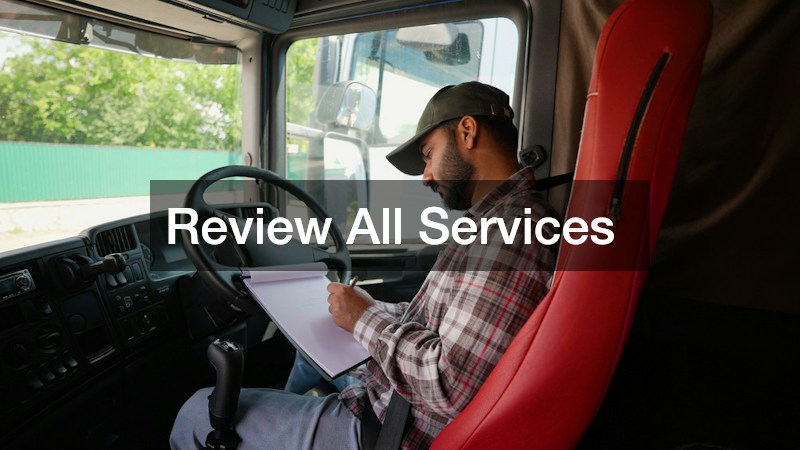
A comprehensive evaluation of all contracted work is essential before dispatching a crew, simply because client expectations vary wildly from one job to the next. Operations managers must ensure every requirement outlined in the customer agreement is thoroughly understood by the designated team leader. Relocation often involves a customized blend of tasks tailored to unique household demands. Diligently reviewing the required moving services prevents embarrassing on-site failures and guarantees that the company is actively fulfilling its contractual obligations to provide a seamless and stress-free client experience from start to finish.
Specifically, managers need to carefully check the exact scope of the project to ensure the commercial truck is loaded with the appropriate specialized materials. If the contract stipulates full-service packing, the crew must depart with ample dish-pack boxes, bubble wrap, and specialized crating for fragile artwork. If disassembling custom furniture is required, the team leader must have specific toolkits ready. Failing to review these specialized line items beforehand means the crew must either improvise or pause to return to the warehouse, thereby completely destroying the day’s profit margins and strict timelines.
Map Local Routes
Efficient navigation is a critical cornerstone of profitable logistics, making meticulous route planning an indispensable step before a driver ever turns the ignition key. Dispatchers must proactively identify the most direct and fuel-efficient pathways between the local warehouse, the origin address, and the final destination. Relying strictly on consumer GPS applications is risky for commercial vehicles due to unpredictable weight restrictions and low bridge clearances. Thorough mapping minimizes fuel consumption, which is critical for companies handling both local and long distance moving, as navigational efficiency directly impacts the corporate bottom line.
Diving into the specific nuances of navigation, dispatchers must actively monitor real-time local traffic patterns, municipal construction zones, and active school zones that can severely impact transit times. A highway route that is completely clear at 6:00 AM might become a gridlocked nightmare by 8:30 AM due to heavy rush hour commutes. The operations desk should provide the driver with a primary route and a vetted secondary backup in case of sudden accidents. Additionally, the team needs exact parking locations at both properties to avoid risking expensive municipal citations.
Prep for Long Hauls

Transporting household goods across state lines introduces incredibly complex logistics compared to standard intra-city relocations. Preparing for interstate transit requires meticulous and strict compliance with federal transportation regulations, rigorous weight distribution strategies, and comprehensive legal documentation. Ensuring all interstate permits, weigh station documentation, and Department of Transportation credentials are fully up to date is absolutely non-negotiable. This level of preparatory rigor distinguishes highly professional long distance movers from amateur local operations that simply lack the proper infrastructure, training, and equipment to handle massive cross-country logistics effectively and safely over multiple days.
In highly practical terms, these extensive multi-day hauls require the loading crew to meticulously balance the overall cargo weight to constantly comply with strict axle limits heavily enforced at highway weigh stations. Heavy household appliances and extremely dense boxes must be strategically distributed across the trailer to prevent dangerous swaying at high highway speeds. Furthermore, the designated driver must be equipped with a fully functional electronic logging device to accurately track service hours. Dispatch must also systematically arrange pre-approved truck stops and highly secure overnight parking locations along the specific interstate corridor being traveled.
Check Storage Needs
Modern residential relocations rarely involve a remarkably simple direct transfer, as clients frequently face unexpected home closing delays or temporary apartment lease gaps. Because of these incredibly common scheduling conflicts, dispatch teams must actively verify if any portion of the cargo requires dedicated holding facilities before the truck ever departs. Proper advanced coordination heavily influences the logistical flow of the entire operational day. By definitively confirming whether the client requires short-term or long-term storage rentals, the company can vastly streamline the daily warehousing process, protect client assets, and actively avoid chaotic unloading scenarios later.
From a tactical execution standpoint, knowing that specific household goods are directly destined for a warehouse completely alters the foundational loading strategy at the client’s home. Items meant for the warehouse must be meticulously and individually inventoried, tagged with scannable barcode stickers, and heavily stretch-wrapped for prolonged protection. The moving crew needs to know exactly which pieces go into wooden vaults versus immediate home delivery, allowing them to load the commercial truck in reverse order. Dispatch must also independently verify that empty wooden vaults are thoroughly prepped and forklift operators are scheduled on duty.
Brief Every Mover

The ultimate success of demanding physical labor projects heavily relies on overall team cohesion, precise objective understanding, and positive daily morale. Before any crews hit the road, local management must actively conduct a comprehensive daily briefing to perfectly align everyone on the day’s ambitious goals. This mandatory morning meeting is a critical operational safeguard where upcoming job complexities are clearly communicated. Discussing vital safety protocols, unique customer expectations, and strict schedule constraints ensures every individual mover is well-informed, actively engaged, and mentally prepared to prevent workplace injuries and consistently maintain professional standards.
During this highly detailed morning huddle, the designated crew chief must carefully outline the physical hazards and uniquely specific challenges associated with the day’s assigned addresses. If a project involves manually moving a heavy grand piano down winding hardwood stairs, the entire team needs to actively strategize lifting techniques and assign specific physical roles. The detailed briefing should also extensively cover customer-specific sensitivities, such as indoor household pets that must absolutely not escape or newly finished hardwood floors requiring extensive neoprene runner protection, effectively preventing catastrophic on-site operational mistakes.
Track Fleet Repair
A massive transportation company is ultimately only as reliable as the commercial vehicles it consistently operates, making rigorous preventative maintenance a foundational cornerstone of daily operations. Neglecting routine mechanical health inevitably leads to catastrophic highway breakdowns, missed delivery windows, dangerously stranded crews, and rightfully infuriated clients. Fleet management must rigidly monitor the comprehensive maintenance history of every single vehicle currently parked in the yard. Partnering directly with a dedicated professional facility for fleet auto repair ensures these massive commercial trucks receive the highly specialized mechanical attention and expert diagnostics required to remain safely operational.
On a highly specific day-to-day operational level, strictly tracking preventative repairs means actively maintaining a digital corporate dashboard that visually alerts the fleet manager when specific trucks are due for mandatory service intervals. Before officially assigning any truck, the desk dispatcher must carefully verify that current engine hours and total mileage haven’t exceeded safe operational limits for heavy-duty oil changes or commercial brake pad replacements. If a driver previously reported a minor issue on a written inspection—like a slightly spongy brake pedal—that specific truck must be firmly grounded and locked out of the dispatch system immediately.
Verify Auto Service

Beyond closely tracking long-term maintenance trends, mandatory daily inspections remain a critical regulatory safety requirement before commercial vehicles ever enter public roadways. Licensed drivers must constantly take absolute personal responsibility for their assigned commercial trucks through a meticulously structured daily physical checklist. This comprehensive morning walk-around serves as the absolute final defense against dispatching a dangerously unsafe vehicle that could drastically endanger working crews and the general public. By strictly instituting a company policy where drivers thoroughly verify baseline auto service requirements before turning the ignition key, local management firmly guarantees an operational standard of safety.
The highly specific pre-trip commercial inspection requires the assigned driver to systematically check complex mechanical components located under the hood, deep inside the truck cab, and entirely around the heavy exterior chassis. The responsible driver must physically pull and visually check the engine oil dipstick, definitively verify proper coolant levels, and clearly ensure power steering fluid is properly marked. Moving completely exteriorly, they must specifically use a highly calibrated pressure gauge to definitively confirm exact PSI across all heavy tires, physically inspect critical air brake lines for any audible leaks, and individually test every turn signal.
Plan Auto Towing
Even with rigorous preventative fleet maintenance implemented, sudden mechanical failures on the public road remain an unavoidable reality of the modern transportation industry. When a loaded commercial truck suddenly breaks down, the stressful situation demands an immediate, highly coordinated emergency operational response to vastly minimize client disruptions. Desk dispatchers simply cannot afford to wait until a crisis officially occurs to begin researching commercial recovery options; they must already have incredibly robust contingency plans firmly established. Having previously established professional protocols for emergency heavy-duty auto towing ensures the disabled commercial vehicle is rapidly moved.
In the highly specific event of a sudden roadside breakdown, the designated dispatcher must instantly execute emergency corporate protocols by immediately contacting a pre-vetted heavy wrecker service completely capable of safely hauling a fully loaded commercial box truck. The dispatcher needs to accurately provide the commercial tow operator with exact GPS coordinates, the gross commercial vehicle weight, and the highly specific nature of the breakdown. Simultaneously, operations must immediately dispatch a completely empty commercial rescue truck and fresh moving crew directly to the highway site, allowing local movers to successfully execute a rapid transfer.
Book Auto Repair
The final operational step in effectively managing commercial fleet logistics is thoroughly ensuring a streamlined, rapid-response mechanical system for addressing heavy issues immediately. When a truck is heavily sidelined, every single operational hour out of commission directly represents a highly significant financial loss of potential corporate revenue. Dedicated operations managers must already have firmly established business relationships with professional commercial mechanics to guarantee priority scheduling and highly rapid mechanical turnarounds. By intentionally having a reliable and professional commercial auto repair service constantly on speed dial, commercial moving companies can significantly minimize extremely costly downtime.
To execute this highly demanding process efficiently, the dedicated fleet manager must proactively book the open shop bay the exact moment the tow truck is initially dispatched, thoroughly providing commercial mechanics with the assigned driver’s detailed diagnostic report and relevant engine fault codes. If the truck desperately requires specialized liftgate hydraulic repairs or heavy commercial leaf spring replacement, the manager must immediately ensure the mechanical facility has massive heavy-duty bays currently available. Furthermore, they must quickly arrange immediate alternative transportation directly for the dangerously stranded commercial driver.
Operating a professional relocation service is an intricate logistical puzzle requiring immense preparation long before a single piece of furniture is ever loaded. By thoroughly understanding what moving companies should check before sending trucks out, dispatchers and operations managers can actively avoid logistical pitfalls that frequently plague amateur outfits. The process begins with establishing crystal-clear communication; directly calling the homeowners and thoroughly reviewing specific required tasks ensures the crew is perfectly aligned on the day’s critical objectives. Above all, maintaining the absolute mechanical integrity of the commercial fleet through rigorous repair tracking, thorough daily physical inspections, and having emergency recovery and rapid maintenance plans firmly in place protects valuable cargo and personnel. When moving companies rigorously execute this comprehensive pre-departure checklist every morning, they consistently deliver operational excellence and a truly stress-free customer experience that builds long-lasting trust.