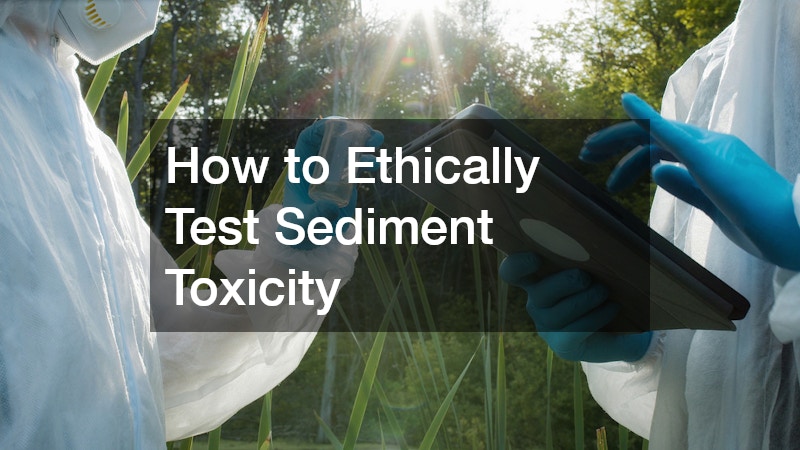
How to Ethically Test Sediment Toxicity
Understanding how to test toxicity of sediment is essential for protecting aquatic environments, public health, and the long-term stability of ecosystems. Sediments often act as a repository for pollutants that accumulate over years, including heavy metals, pesticides, petroleum residues, and industrial chemicals. While these contaminants may settle out of the water column, they do not simply disappear.
Aquatic organisms interact with sediment constantly, which means any harmful substances present can influence entire food chains. Because of this, researchers, environmental agencies, and industry professionals need reliable and ethical methods to study how sediment affects living systems. Ethical testing ensures that scientific data is accurate, living organisms are treated responsibly, and environmental decisions are grounded in sound, humane practices.
Sediment toxicity testing is not only about identifying problems; it is also about preventing harm before it occurs. When contamination is identified early, local governments and environmental managers can act quickly to reduce exposure and mitigate risks. Ethical approaches strengthen these efforts by ensuring that the methods used are transparent, scientifically defensible, and aligned with standards meant to protect both test organisms and broader ecosystems.
Why Ethical Testing Matters
Ethics in sediment toxicity testing ensures that organisms used in studies are handled with care and that research minimizes harm whenever possible. Scientists must balance the need for accurate environmental data with the responsibility to treat test organisms humanely. Many guidelines outline how to ethically test toxicity of sediment, emphasizing appropriate species selection, proper care during experiments, and clear justification for each test. These standards help prevent unnecessary suffering while maintaining the integrity of the scientific process.
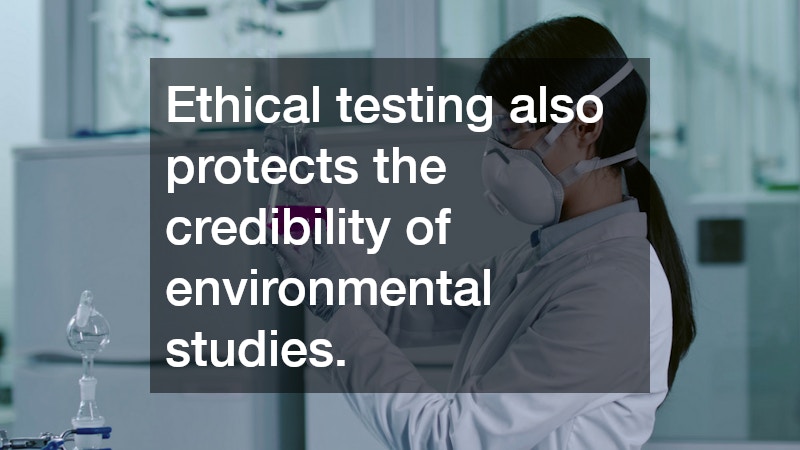
Ethical testing also protects the credibility of environmental studies. When stakeholders know that data was collected responsibly, they can trust the conclusions drawn from the research. This trust is essential when test results influence major decisions, such as issuing permits, regulating pollutants, or assessing the impacts of industrial activity.
Choosing the Right Test Organisms
Selecting appropriate organisms is one of the earliest ethical considerations when determining how to test toxicity of sediment. Common test species include aquatic invertebrates, fish embryos, and benthic organisms that naturally live in or near sediments. These organisms are chosen because their biology reflects realistic environmental interactions, making results more relevant.
Ethical testing requires ensuring that these organisms come from safe, controlled sources and are kept in stable, humane conditions. They should be healthy, free from preexisting stressors, and appropriately acclimated before testing begins. Using species that are naturally adapted to sediment environments helps minimize unnecessary suffering and improves scientific accuracy.
Designing Tests That Minimize Harm
A major part of ethical sediment toxicity testing involves designing experiments that achieve scientific goals while reducing stress to organisms. Standardized test protocols help researchers accomplish this. These guidelines determine exposure time, sediment preparation, feeding schedules, and environmental conditions such as temperature and lighting. By following these protocols, scientists reduce variability and prevent exposing organisms to conditions that are harsher than necessary to gather valid data.
Another ethical consideration is using the smallest number of organisms required to achieve statistically meaningful results. This principle, known as “reduction,” ensures that studies avoid unnecessary overuse of test species. When researchers carefully design experiments with this in mind, they maintain scientific rigor while respecting the organisms involved.
Ensuring Test Accuracy and Reliability
Ethical testing is not just about humane treatment; it also involves ensuring that scientific results are reliable. Poorly designed or poorly executed tests waste resources and subject organisms to procedures that ultimately provide little benefit. To avoid this, researchers must follow validated methods and maintain strict quality control standards throughout the process.
This includes preparing sediment samples correctly, measuring contaminants accurately, and maintaining consistent test conditions. Regular calibration of equipment, oversight by trained professionals, and proper documentation all contribute to high-quality results. When tests are accurate and repeatable, researchers can confidently determine how to test toxicity of sediment in ways that support responsible environmental decisions.
Reducing and Replacing Live Testing When Possible
An important ethical goal in environmental science is reducing reliance on live organism testing. While some sediment toxicity tests still require biological responses to assess real-world risks, newer technologies can sometimes replace or supplement traditional methods. These alternatives include cell-based assays, chemical modeling, and computer simulations that predict how contaminants may behave.
Whenever these alternatives can provide meaningful data, they should be used to reduce the number of live organisms involved. Ethical sediment testing encourages innovation that moves the field toward safer, more humane scientific practices without compromising data quality.
Handling and Disposing of Sediment Responsibly
Another factor in ethical sediment toxicity testing is ensuring that contaminated materials are managed and disposed of safely. Once tests conclude, sediments may still contain harmful substances that could damage ecosystems if released. Researchers must follow established guidelines to prevent environmental contamination, which includes proper waste disposal, secure storage, and thorough decontamination of equipment.
These practices help prevent unintended releases of pollutants, protecting the environment the tests are meant to safeguard. Ethical testing does not end when the experiment concludes; it extends through the entire lifecycle of sample handling.
Applying Results to Environmental Protection
Ethically conducted sediment toxicity tests provide data that supports meaningful environmental protections. Test results help policymakers determine whether sediment contamination poses risks to aquatic species, human health, or commercial activities like fishing and recreation. This information guides clean-up decisions, pollution controls, and habitat restoration efforts.
When researchers understand how to test toxicity of sediment properly and responsibly, the data produced leads to better long-term environmental outcomes. Ethical approaches strengthen public trust in these decisions and reinforce the idea that scientific testing serves a broader purpose beyond the laboratory.
Knowing how to test toxicity of sediment ethically is essential for protecting aquatic environments, supporting scientific integrity, and ensuring that organisms used in research are treated responsibly. Ethical practices strengthen every step of the testing process, from choosing the right organisms to designing humane studies, managing contaminated materials, and applying results to real-world environmental challenges. By balancing scientific needs with moral responsibility, researchers produce trustworthy data that helps safeguard ecosystems and guide informed environmental decisions for the future.