Marketing Products Customers Only Buy Once Every Ten Years
Some purchases happen once a decade or less, which means most people shop for them with almost no experience and very little confidence. A new roof, a furnace replacement, or a heavy-duty piece of equipment for your property are not items you compare the way you would a phone or a pair of shoes. Because the stakes are high and the buying cycle is so long, it is easy to feel overwhelmed, rushed, or unsure whether you are getting real value. This article breaks down how these infrequent, high-investment purchases are marketed, what that means for you as a buyer, and how to make a smart decision even if you have never bought the product before.
Understanding Why Infrequent Purchases Feel Confusing
When you buy something only once every ten years, like a mattress, a roof, or a water heater, you never build up the natural expertise that comes from repetition. Contrast this with groceries: you buy milk weekly, so you instantly notice if the price jumps from $3 to $5. With a furnace replacement, you have no such internal benchmark, so a quote of $4,000 or $8,000 can feel equally plausible. This knowledge gap means buyers often fall back on proxies for quality instead of actual price comparison. They look at how polished the website feels, whether the salesperson seems knowledgeable, or how many years the company has been in business. In the absence of real expertise, these surface signals carry outsized weight in the decision. This is exactly why marketing for these products tends to lean heavily on trust signals, warranties, and long-form education rather than flashy discounts. A 25-year warranty, a detailed buyer’s guide, or a side-by-side comparison chart does more work than a limited-time sale ever could, because it addresses the real obstacle: uncertainty, not price resistance. Sellers know that a confused buyer is a hesitant buyer, and hesitation often means a lost sale or an endless cycle of “I need to think about it.” The best ones invest in explaining the product clearly, breaking down what drives cost differences, what questions to ask, and what red flags to avoid, instead of just pushing a sale. That extra effort doesn’t just build trust; it fills the exact gap that infrequent purchasing leaves behind.
The emotional weight of these purchases also plays a role. Spending several thousand dollars on something you will live with for a decade feels riskier than a smaller, frequent purchase like groceries or a streaming subscription, where a bad choice costs little and is easily corrected. With a mattress, a roof, or a home security system, buyers often sense that getting it wrong means living with regret for years, and that pressure alone can cause hesitation. This is why so many customers stall out at the research stage, reading reviews, comparing specs, and asking friends for opinions long after they have enough information to decide. The decision does not feel like a simple transaction; it feels like a bet on their own judgment. That is compounded by the fact that most buyers have no recent reference point for what a fair price or a quality product even looks like in that category. Understanding that this hesitation is normal can help you move past it and focus on gathering the right information instead. Recognizing the pattern also allows marketers to anticipate it, offering reassurances like warranties, trial periods, or clear comparison guides that shorten the freeze-up period rather than leaving customers to work through the anxiety alone.
Recognizing Long Replacement Cycles in Home and Property Equipment
Certain categories of products are built around the idea that a customer may only need one in a decade, or even longer. Roofing, water heaters, major appliances, and heavy outdoor equipment all fall into this bucket. Because repeat business is rare, companies in these industries often focus their marketing on reputation, referrals, and visible proof of durability rather than loyalty programs or repeat-purchase incentives.
A good example is snow plow blade manufacturing, where the buyer is often a homeowner, landscaper, or municipality that will use the same blade for many winters before replacing it. Because the purchase cycle is so long, companies in this space tend to emphasize material strength, warranty length, and real-world testing rather than frequent model changes. If you are shopping in a category like this, look for manufacturers who are transparent about how their product performs after years of wear, not just how it looks on day one.
- Ask how long the average unit lasts under normal use conditions
- Request references from customers who purchased several years ago
- Compare warranty terms side by side, not just purchase price
- Look for independent reviews rather than only manufacturer claims
Evaluating Big Ticket Home Systems Before You Buy
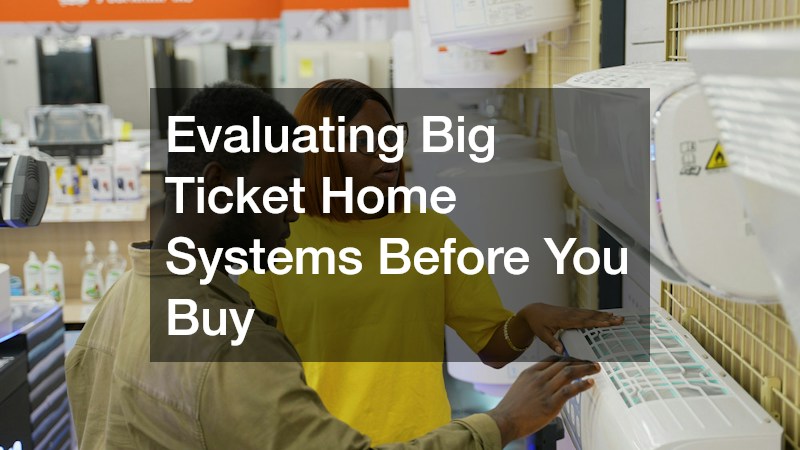
Home systems like heating, cooling, and ventilation equipment are another category where purchases are spaced years or decades apart. Because most homeowners do not understand the technical details of these systems, marketing in this space often centers on licensing, certifications, and clear explanations of what is being installed and why. This is one area where working with a commercial HVAC contractor for a larger property can look very different from a typical residential install, so it helps to understand which category your project actually falls into before requesting quotes.
Take time to understand the basic components of the system you are buying, even at a surface level. Knowing the difference between a unit’s efficiency rating and its physical size, for example, can help you avoid being oversold on capacity you do not need. A well-informed buyer tends to get a more accurate, appropriately sized recommendation than one who simply asks for “the best option.”
Asking the Right Questions Before Committing to a Purchase
Because you will not be shopping again for years, it pays to slow down and ask detailed questions before signing anything. Reputable sellers expect this and should be willing to walk you through specifics without pressure. If a company rushes you toward a decision or avoids direct answers, treat that as a warning sign rather than a minor inconvenience.
Written documentation matters more here than in smaller purchases, since you will likely forget verbal promises long before the product’s lifespan ends. Get everything that matters in writing, including installation timelines, warranty coverage, and what happens if something fails early.
- What is covered under warranty, and for how long
- Who handles repairs if something goes wrong after installation
- What routine maintenance, if any, is required to keep the warranty valid
- How the price compares to at least two other quotes for the same specifications
Planning Ahead for the Next Decade of Ownership
Because these purchases are so infrequent, it helps to think beyond the initial transaction and consider the full ownership period. Ask yourself how your needs might change over the next ten years, whether that means a growing household, a larger property, or different usage patterns. Buying slightly ahead of your current needs, within reason, often costs less in the long run than upgrading again sooner than expected.
Keep simple records of your purchase, including receipts, manuals, and maintenance schedules, in a place you will actually remember. Future you, shopping again in ten years, will thank present you for leaving a clear paper trail.
Buying something you will only purchase once every ten years does not have to feel like guesswork. By understanding why these categories are marketed the way they are, asking pointed questions, and documenting everything clearly, you put yourself in a much stronger position to make a confident choice. Take your time, compare real specifics rather than surface-level claims, and lean on written answers over verbal reassurances. The research you do today is the groundwork for a decision you will be living with for years to come.