How to Find a Reliable Dumpster Rental Service Locally
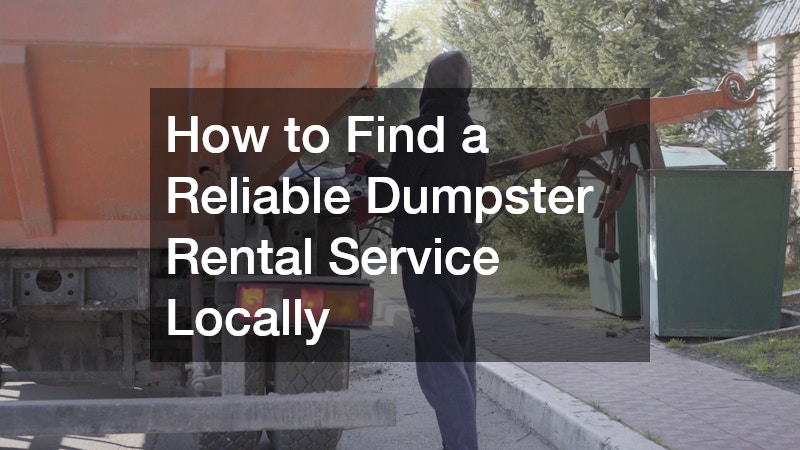
Taking on a major home renovation, a comprehensive estate cleanout, or a full-scale roof replacement is an ambitious endeavor that requires meticulous planning. You spend weeks selecting the right contractors, finalizing architectural blueprints, and budgeting for materials. Yet, one of the most critical logistical components of any large project is routinely overlooked until the very last minute: how you are going to manage, contain, and dispose of the massive amounts of debris your project will generate.
The neighborhood waste management challenge is incredibly common. Standard residential trash collection is strictly limited to everyday household refuse, and municipal curbside programs simply will not accept massive piles of shattered drywall, torn-up roofing shingles, or decades’ worth of accumulated basement clutter. When you realize that your project will generate cubic yards of heavy debris, finding a trustworthy waste management partner becomes the immediate priority.
However, the risks of blind hiring in this industry are substantial. Partnering with the wrong provider can lead to a cascade of logistical nightmares. You might face delayed drop-offs that leave your expensive contracting crew standing around with nothing to do. You might encounter hidden environmental disposal fees that completely blindside your project budget. Even worse, inexperienced drivers using poorly maintained equipment can cause thousands of dollars in permanent damage to your driveway, your landscaping, or municipal infrastructure.
What you need is a step-by-step framework to identify, vet, and ultimately contract a highly dependable waste partner. This comprehensive guide will walk you through exactly how to audit regional providers, decode the physical equipment required, estimate your spatial needs accurately, navigate complex billing structures, and ensure you remain completely compliant with all local disposal regulations.
Audit Regional Providers for Real Accountability
The very first step in securing a dependable waste management solution is understanding the landscape of the companies operating in your area. The industry is highly fragmented, filled with a mix of highly professional independent operators, massive corporate conglomerates, and deceptive digital middlemen. To ensure your project goes smoothly, you must learn how to filter out the noise and identify businesses that offer genuine accountability.
Prioritize Proximity and Asset Ownership
When you begin searching online for a local dumpster rental, you will likely be bombarded with highly polished websites offering nationwide coverage and instant booking. However, many of these top search results are not actual waste management companies; they are digital brokers. A broker does not own any trucks, employ any drivers, or maintain any physical inventory. Instead, they capture your order, add a significant financial markup, and then outsource the actual fulfillment to a third-party subcontractor in your city.
This disjointed business model creates severe communication breakdowns. If your delivery is delayed by four hours, or if you need an emergency pickup because a storm is approaching, you cannot speak directly to the local dispatcher. Instead, you are routed through a national call center where representatives have no geographical knowledge of your neighborhood and zero direct contact with the driver.
To avoid this, you must explicitly seek out a reliable dumpster rental operator that actually owns their own physical assets. Ask the company for the physical address of their dispatch yard. Dealing with a true neighborhood business means that when you call with a question or a logistical challenge, you are speaking to the very same office that is routing the trucks. This direct line of communication ensures much faster response times, greater flexibility when your schedule changes, and a higher standard of overall customer care.
Look for Consistency in Customer Feedback Systems
Once you have identified a few true regional operators, your next step is to rigorously evaluate their public track record. While an overall star rating is helpful at a glance, it is easily manipulated. You must dive deeply into the actual text of the reviews across multiple independent platforms to get a clear picture of how the company operates under pressure.
When evaluating customer feedback, pay close attention to how the company responds to adversity. Look for these specific indicators:
-
Punctuality and Respect for Timelines: Do multiple reviews praise the company for arriving precisely within their stated delivery windows? Construction schedules are tightly choreographed, and a late container delivery can derail an entire day of labor.
-
Driver Professionalism: The driver is the only representative of the company who will physically visit your property. Look for reviews that mention courteous drivers who took the time to assess the property, listen to placement instructions, and navigate tricky residential streets safely.
-
Conflict Resolution: Sort reviews by the lowest rating first. How does management respond to negative feedback? If a customer complains about an unexpected fee or a scratched driveway, a professional company will respond publicly, explain the situation calmly, and offer to make it right. A company that ignores negative reviews or responds defensively is a major red flag.
Decode Equipment Styles to Prevent Property Damage
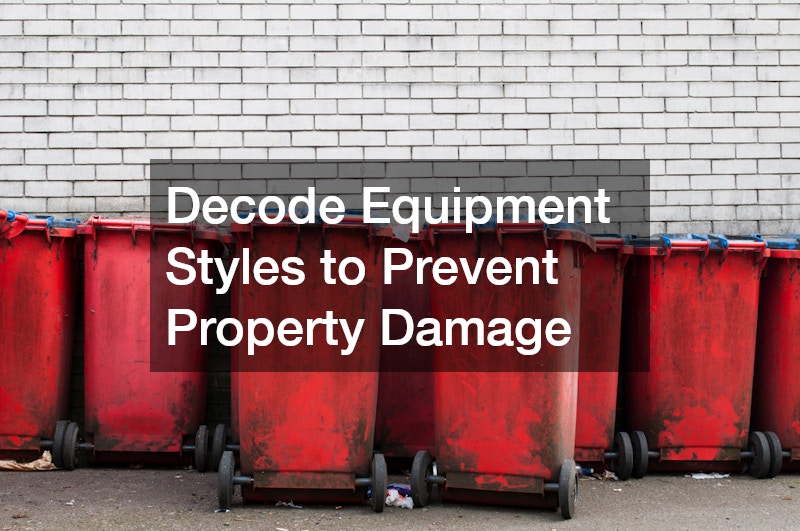
Understanding the mechanical nature of heavy waste containers is vital for protecting your property. You are dealing with massive pieces of industrial steel equipment that are frequently filled with thousands of pounds of dense material. Without proper knowledge and preparation, the simple act of delivering and retrieving this equipment can permanently deface your property.
Understand the Mechanics of Heavy Deliveries
The vast majority of residential and commercial cleanups utilize a standard roll off container. These large, rectangular steel boxes are transported on the back of specialized flatbed trucks. When the truck arrives at your property, the driver uses a heavy-duty hydraulic winch and cable system to slowly lower the box down the tilted bed of the truck until the rear wheels make contact with the ground.
This process places immense, highly concentrated pressure on your driveway. Even entirely empty, these steel boxes weigh several tons. When the steel wheels make contact with asphalt—especially on a hot summer day when the asphalt is soft and pliable—they can easily gouge deep trenches into the surface. Concrete driveways, while harder, are susceptible to cracking and stress fractures if the massive weight is not distributed evenly.
To prevent this structural damage, you must mandate the use of protective barriers. Before the truck arrives, procure thick, exterior-grade wooden planks—such as 2x4s, 2x6s, or large sheets of three-quarter-inch plywood. Instruct the driver to lower the heavy steel wheels directly onto these wooden buffers. This simple, proactive step distributes the concentrated downward force across a much wider surface area, effectively isolating the destructive steel wheels from your fragile paving materials.
Optimize for Spatial Constraints and Overhead Obstacles
Selecting the right equipment also means ensuring that your property can physically accommodate the delivery process. Many homeowners drastically underestimate the amount of maneuvering room required by commercial delivery trucks.
When positioning roll off dumpsters, horizontal clearance is only half the battle. You must evaluate vertical clearance as well. As the delivery truck tilts its flatbed to lower the heavy box, the front end of the container reaches incredibly high into the air.
-
Vertical Hazards: Ensure the entire drop zone and the path leading up to it are completely free of low-hanging tree branches, municipal electrical lines, internet cables, and architectural roof overhangs. A minimum of 23 feet of unobstructed vertical space is generally required to execute a safe delivery.
-
Horizontal Constraints: The truck needs a long, straight path to back up smoothly. Ensure there is a minimum of 60 feet of straight-line access.
-
Alternative Equipment: If your property features a steep incline, an incredibly narrow alleyway, or fragile historic paving stones that cannot withstand extreme weight, you should inquire about rubber-wheeled trailer alternatives. These function similarly to standard boxes but are built on trailer chassis with inflatable tires, drastically reducing the risk of surface damage and allowing for placement in tighter confines.
Specify the Container Classification Based on Debris Type
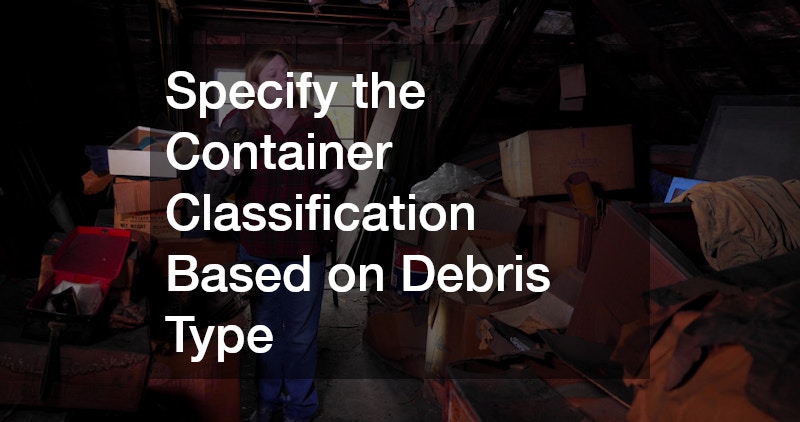
One of the most expensive errors you can make during this process is incorrectly estimating your spatial and weight requirements. If you choose a box that is too small, you will be forced to schedule multiple trips, doubling your logistical expenses. If you fail to account for the density of your debris, you may face severe financial penalties at the municipal weigh station.
Estimate Volume vs. Weight Responsibly
Waste volume is universally measured in cubic yards. To visualize this, consider that one cubic yard is roughly equivalent to the size of a standard kitchen stove. Alternatively, think of standard pickup truck beds; a full-size pickup bed holds approximately two and a half cubic yards of debris when loaded level with the sides.
When searching for standard dumpster rentals, you will find sizes typically ranging from 10 to 40 cubic yards. For general household cleanouts—such as clearing out old clothing, broken furniture, cardboard boxes, and lightweight attic clutter—volume is your primary concern. These high-volume, low-density materials take up massive amounts of physical space but contribute very little to the overall weight limit of the container.
However, you must separate your waste streams strategically. If you attempt to fill a massive 30-yard container entirely with dense, heavy materials like wet topsoil, broken concrete slabs, or roofing shingles, the container will vastly exceed the legal operating weight limit of the truck.
Separate Residential Cleanup from Commercial Demolition Needs
When your project graduates from basic decluttering to serious structural renovation, the demands placed on your waste equipment change dramatically. Demolishing walls, tearing up subflooring, and removing brick facades generates debris that is incredibly heavy and highly abrasive.
For these intensive projects, you need specialized construction dumpsters. These containers are specifically engineered with reinforced steel walls to handle the brutal impact of discarded lumber, shattered masonry, and twisted metal piping.
Furthermore, you must have a candid conversation with your provider about weight allowances. Most containers come with a pre-allocated tonnage limit—usually between two and four tons. When tearing off a roof, for example, just a few squares of multiple-layer asphalt shingles can weigh thousands of pounds. If you exceed the maximum legal road weight limit, the driver will be legally prohibited from loading the box onto their truck. You will be hit with a “dry run” trip fee and forced to manually unload the excess, back-breaking debris by hand until the weight is reduced to a legal limit. Always consult your provider about the specific materials you plan to discard to ensure you are matched with the proper weight tier.
Vet the Company’s Billing Practices and Licensing

The financial mechanics of the waste management industry can be notoriously opaque. What begins as an incredibly attractive base price can quickly balloon into an exorbitant final bill due to complex, hidden fee structures. To protect your project budget and your personal liability, you must rigorously audit both the billing practices and the legal credentials of any company you consider hiring.
Insist on an All-Inclusive Pricing Structure
Never finalize an agreement based on a verbal estimate given quickly over the phone. Always demand a comprehensive, itemized quote in writing. When reviewing this document, you need to understand exactly what pricing model the dumpster rental service utilizes.
The safest and most predictable model for homeowners and independent contractors is “flat-rate” or “all-inclusive” pricing. Under this model, you pay a single, upfront fee that covers the entire lifecycle of the rental. A genuine flat-rate quote should explicitly include:
-
The initial delivery and placement of the container.
-
A specified rental duration (typically 7 to 14 days).
-
A pre-defined weight allowance (e.g., 2 or 3 tons of debris).
-
The final pickup and the subsequent landfill disposal fees.
Conversely, you must be extremely wary of companies that use “variable” or “itemized” pricing models. Under a variable structure, the company lures you in with an incredibly low base rental fee for the physical box itself. However, they will then bill you separately for every mile the truck drives, every single day you keep the box, and every individual pound of waste registered at the local weigh station. This places all the financial risk directly on your shoulders, making it impossible to budget for the final cost.
Verify Insurance and Operating Legitimacy
Allowing a commercial truck carrying thousands of pounds of steel onto your private property is a significant liability event. You should never, under any circumstances, hire a dumpster rental company that cannot provide immediate, verifiable proof of active commercial insurance.
At a bare minimum, the provider must carry comprehensive general liability insurance and commercial auto coverage. If an underinsured or unlicensed driver accidentally clips your neighbor’s parked car, crushes a subterranean municipal water main beneath your driveway, or severely damages a public sidewalk during the retrieval process, you—as the property owner who hired them—could potentially be held financially responsible for the damages.
Take the extra ten minutes to ask for their insurance certificate and ensure they are properly bonded to operate heavy machinery within your specific municipality. A legitimate, highly professional outfit will have these documents readily available and will be happy to share them to earn your trust.
Master Site Logistics and Waste Compliance Laws
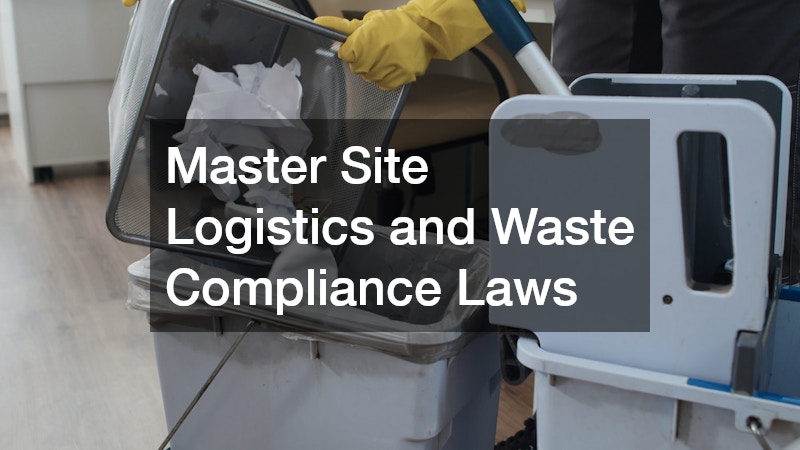
The final hurdle in ensuring a seamless waste management experience involves mastering the physical logistics of the drop-off site and adhering strictly to municipal and federal environmental regulations. Failing to comply with these rules will not only delay your project but can result in severe financial penalties levied by your local government.
Abide by Local Landfill Sorting Regulations
It is a common misconception that once debris is tossed into a container, it simply disappears without consequence. In reality, every single load is subjected to strict scrutiny at the local landfill or sorting facility. State and federal environmental protection laws tightly regulate what can and cannot be buried in public landfills.
Your chosen waste removal service is legally obligated to enforce these environmental regulations. If they discover prohibited items mixed into your load, they will pass the massive municipal fines directly back to you.
You must strictly prohibit the following items from entering your general debris container:
-
Chemicals and Liquids: Wet paint, motor oil, industrial solvents, pesticides, and liquid adhesives. (Paint can only be disposed of if it is completely dried out using sand or kitty litter).
-
Electronic Waste: Televisions, computer monitors, laptops, and anything containing a lithium-ion battery, which poses a severe fire risk at sorting facilities.
-
Hazardous Appliances: Refrigerators, freezers, and air conditioning units that still contain Freon or other heavily regulated cooling refrigerants.
-
Automotive Parts: Car batteries, massive truck tires, and engine parts coated in grease.
If your project involves clearing out these restricted items, you must develop a secondary disposal strategy. Coordinate with local e-waste recycling drives, municipal hazardous waste drop-off days, or specialized appliance recycling centers to handle these dangerous materials safely and legally.
Secure Right-of-Way Permits and Prepare the Drop Zone
You will not always have the luxury of a sprawling, flat driveway to stage your waste equipment. If you live in an urban environment with zero driveway space, or if your property sits on an impossibly steep hill, you may be forced to place the equipment directly on the public street or municipal sidewalk in front of your home.
Whenever roll off dumpsters are placed on public property, they immediately become an obstruction to traffic and a potential hazard. Because of this, almost all city governments require you to apply for and secure a “Right-of-Way” or “Street Occupancy” permit before the container can be delivered.
Do not assume your rental provider handles this automatically. While premium providers will often assist you with the paperwork, securing the permit is ultimately the legal responsibility of the homeowner. Placing an unpermitted container on a public street can result in daily municipal fines or the immediate impounding of the equipment by city authorities.
Furthermore, properly preparing the drop zone requires communication with your neighborhood. Speak with your neighbors a few days in advance so they can move their parked vehicles away from your curb. Clear out any personal obstacles such as basketball hoops, low-hanging patio lights, bicycles, and lawn furniture. The smoother you make the logistical path for the delivery driver, the faster your project can safely begin.
Conclusion
Securing the right waste management solution does not have to be an intimidating or chaotic process. By approaching the task methodically, you can easily filter out the unreliable brokers and identify a dedicated, hyper-local partner who respects your property, your budget, and your project timeline.
Before you make that final phone call to book your delivery, ensure you have thoroughly audited the debris your project will generate so you can accurately determine both the spatial volume and the heavy weight capacities required. Always demand an all-inclusive, transparently written quote to protect yourself from devastating hidden overage fees, and take the proactive physical steps necessary to shield your driveway from the massive pressure of commercial steel containers.
When you take the time to meticulously plan your debris logistics, secure the proper municipal permits, and adhere to strict environmental sorting guidelines, you completely eliminate the stress associated with massive residential cleanouts. Armed with a reliable partner and a clear logistical roadmap, you can focus all of your energy and attention exactly where it belongs: bringing your ambitious renovation or intensive home project to a successful, highly rewarding completion.